

How Hackers Use Automation and AI to Scale Attacks
Takeaway:
Hackers use automation and AI to move faster and target more businesses, so strong, proactive security that keeps pace is essential.
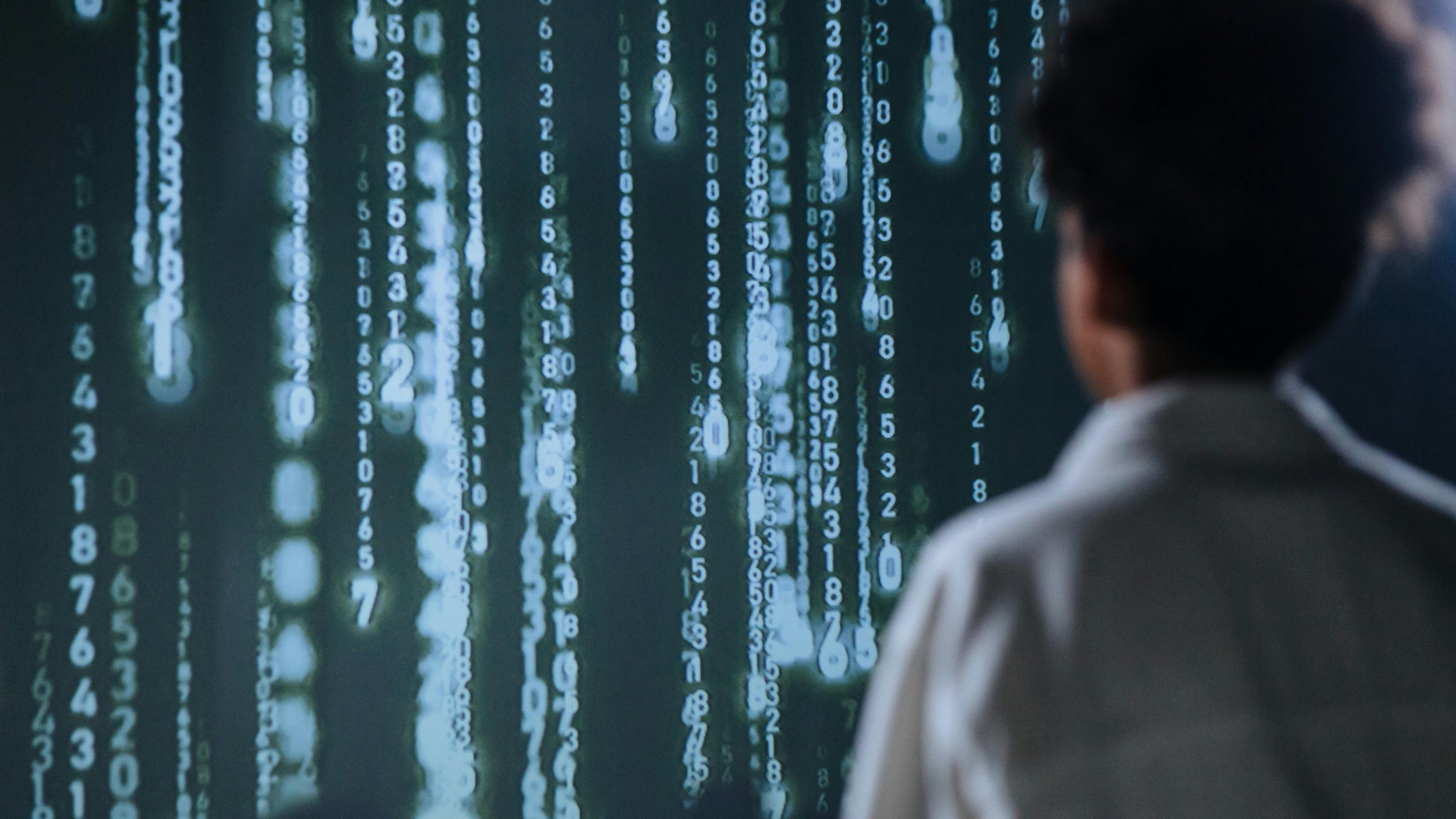
When most people think of a hacker, they imagine someone hunched over a keyboard in a dark room. The reality is very different. Today’s cyberattacks are mostly automated, highly scalable, and increasingly powered by artificial intelligence. Hackers aren’t working harder—they’re working faster and smarter.
Understanding how automation and AI are used in cybercrime explains why attacks feel constant and why even well-managed businesses can be hit without warning.
Cybercrime at Scale
Automation is at the heart of modern cybercrime. Hackers use scripts and bots to scan the internet for vulnerable systems, test stolen passwords, and send phishing emails—work humans no longer need to do manually.
This approach lets attackers target thousands of businesses at once. They don’t care who you are, just that your systems exist. That’s why small businesses often face repeated attacks.
Automated Scanning and Vulnerability Discovery
Hackers use tools to search for exposed devices, outdated software, open ports, and misconfigured cloud services. These scans are continuous.
When a weakness is found, exploitation can happen within minutes—sometimes before a business even knows an update exists. In practice, this means:
Unpatched systems are discovered quickly
Internet-facing devices are constant targets
Delaying updates significantly increases risk
Password Attacks at Machine Speed
Credential attacks, like credential stuffing, are almost entirely automated. When usernames and passwords leak in a breach, bots test them across email, VPNs, cloud apps, and remote desktops.
This works because people often reuse passwords. Automation allows attackers to:
Test thousands of logins per second
Identify valid credentials silently
Take over accounts without triggering alerts
Without multi-factor authentication, one reused password can compromise an entire system.
AI-Powered Phishing
Phishing emails have evolved. AI now helps attackers craft messages that are grammatically correct, personalized, and context-aware.
With AI, attackers can:
Mimic writing styles
Reference real companies or services
Adapt campaigns in real time for maximum effectiveness
The result? Phishing emails that feel genuine enough to fool even savvy users.
Malware That Learns and Adapts
Modern malware isn’t static. Some strains use AI to adapt to the environment they infect. They can:
Delay execution to avoid detection
Change behavior if security tools are present
Move laterally through networks automatically
Once inside, these tools target high-value systems like servers, backups, and administrative accounts.
Ransomware as a Service
Ransomware is no longer just for expert hackers. Developers now create ransomware platforms that others can rent, complete with dashboards, scripts, and AI-assisted targeting.
This means:
More attacks are happening than ever
Less technical skill is required to launch sophisticated attacks
Ransomware evolves quickly
Why Automation Favors Attackers
Automation allows hackers to test thousands of targets cheaply and efficiently. Defenders, on the other hand, must protect everything all the time. This is why manual monitoring or reactive security is no longer enough.
How Businesses Can Stay Ahead
Defending against automated attacks requires layered, automated defenses:
Keep systems and apps patched automatically
Use multi-factor authentication everywhere
Implement advanced email filtering with behavior analysis
Monitor endpoints for unusual activity, not just malware signatures
Continuously track and alert on suspicious behavior
Security must operate as quickly as the attacks themselves.
Our Approach
At IT TechPros, we design networks assuming attacks are automated, persistent, and fast. We focus on reducing attack surfaces, spotting abnormal behavior early, and responding before minor problems become major incidents. Cybersecurity today isn’t about stopping a single hacker—it’s about staying resilient in an environment where attacks never stop.
Final Thoughts
AI and automation have made cybercrime faster and more scalable, but the underlying goals haven’t changed. Weak passwords, outdated systems, and delayed detection are still the most common ways businesses get breached. The difference now is speed—and in cybersecurity, speed is everything.